Reviewing Cowboy Ornament for Real Embroidery Projects
When I am looking at a new digital asset to add to my library, I am not just looking at the image file itself. I am looking at how it translates from a screen into thread. As an experienced designer who reviews these assets before using them in client work or small business merchandise, I have learned that visual appeal is only half the battle. The other half is stitchability and practical application.
This week, I took a close look at Cowboy Ornament. It falls under the category of Illustrations and Graphics, but its true value lies in its potential as a machine embroidery design. I evaluated this piece with one goal in mind: would it hold up in a real-world scenario? Could it survive the stress of stitching on fabric, withstand the wear of daily use, and still look professional enough to sell on Etsy or feature in a boutique shop?
First Impressions and Visual Personality
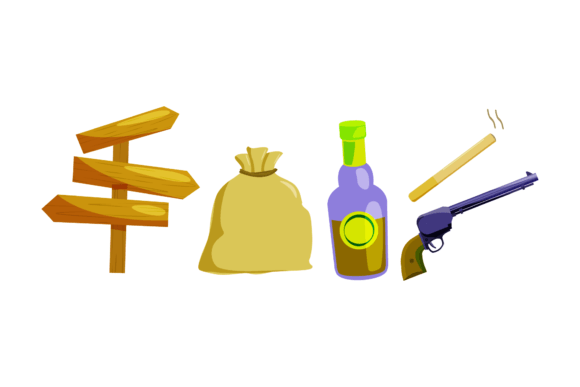
The moment you open the preview of Cowboy Ornament, the mood is distinct. It carries a rustic, Western charm that feels timeless rather than trendy. For an embroiderer, the immediate question is always about clarity. Does the design have enough definition to read well when rendered in thread? In this case, the answer is generally yes, provided the execution matches the intent of the original illustration.
The layout suggests a central focal point, which is ideal for placement on garments like the chest of a sweatshirt or the center of a tote bag. The "Ornament" aspect implies a decorative quality, meaning it likely contains intricate details that can showcase the skill of the digitizer. However, this also raises the stakes. Intricate designs require precise tension and high-quality thread to avoid clumping or losing detail. The visual personality here is rugged yet refined, making it suitable for a wide range of audiences, from hobbyists making gifts to commercial brands targeting outdoor enthusiasts.
Real-World Application Scenarios
To truly judge a design, you have to imagine it on finished products. Here is how I see Cowboy Ornament performing in specific use cases:
- Custom Apparel and Sweatshirts: This design shines on heavier fabrics. Imagine it stitched on the front left chest of a heavyweight cotton fleece sweatshirt. The contrast between the soft texture of the fabric and the structured lines of the embroidery creates a premium feel. It works particularly well for fall and winter collections, aligning perfectly with seasonal trends.
- Tote Bags and Canvas Items: A sturdy canvas tote is a staple for any craft business. Placing Cowboy Ornament here allows for a larger scale, letting the details breathe. It transforms a simple utility item into a statement piece. This is excellent for personalized gifts or as a branded item for small shops selling western-themed goods.
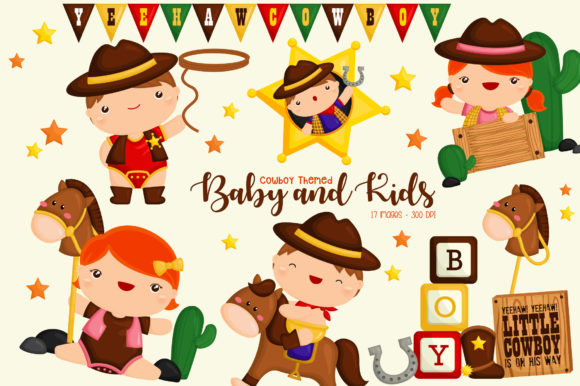
- Baby and Nursery Decor: There is a surprising versatility here. If the design elements are softened through color choice—perhaps using cream, sage, or dusty rose threads—it can work beautifully on baby blankets or nursery wall hangings. It offers a unique alternative to typical animal motifs, giving parents something distinctive for their child’s room.
- Holiday Gifts and Kitchen Textiles: During the holiday season, items like tea towels and aprons fly off the shelves. Cowboy Ornament can serve as a charming accent on these kitchen textiles, especially if marketed as part of a "Western Home" or "Rustic Kitchen" collection. It adds character without overwhelming the utility of the item.
Where Caution Is Required
No design is perfect for every situation. As a reviewer, I must highlight where Cowboy Ornament might struggle. Embroidery is a physical process, and physics sometimes fights against art.
Small hoop sizes are a common pitfall. If you attempt to stitch this design too small, fine details may merge into a muddy blob. You need enough space for the stitch density to be visible. Similarly, textured fabrics like heavy tweed or boucle can obscure the definition of the design. The needle may struggle to penetrate evenly, leading to skipped stitches or uneven coverage.
Stretchy fabrics, such as thin jersey knits used for t-shirts, present another challenge. Without proper stabilization, the design may pucker or distort during stitching. Dark fabrics can also hide lighter thread colors, so thread selection becomes critical. Additionally, curved surfaces like caps can be difficult to manage; while possible, they require advanced techniques to ensure the design sits flat and does not twist.
Technical Considerations for the Designer
Before committing to a production run, there are several technical steps any serious embroiderer should take. First, always test the design on scrap fabric that mimics your final product. This reveals issues with thread colors, tension, and overall balance that you cannot see on a screen.
Inspect the small details closely. Are there areas where the running stitch or satin stitch might break due to length? Check the fill stitch coverage to ensure there are no gaps. It is also wise to view the design in black and white mockups. This helps you assess the contrast and composition without being distracted by color choices.
Stabilizer choice is paramount. For Cowboy Ornament, depending on the fabric weight, you may need cut-away stabilizer for permanent support, especially if the item will be washed frequently. Confirm whether the design includes built-in hooping guides and ensure your machine’s capabilities match the complexity of the file.
Impact on Brand and Customer Trust
Using a well-executed design like Cowboy Ornament directly impacts customer perception. High-quality embroidery signals professionalism and care. When a buyer receives a handmade product with clean stitches and clear details, their trust in your brand increases. This is crucial for Etsy sellers and small shop owners who rely on reviews and repeat customers.
The design’s aesthetic also aids in marketing. It is highly photogenic, making it easier to create compelling printable mockups for social media or online listings. The rustic theme appeals to a specific demographic that values authenticity and craftsmanship, allowing you to position your products as premium design assets rather than mass-produced goods.
Final Verdict
Cowboy Ornament is a versatile and visually appealing asset that can elevate a variety of embroidery projects. From custom apparel to personalized gifts, it offers a strong thematic foundation. However, success depends on careful preparation, appropriate fabric choices, and attention to technical details.
I recommend this design for designers who appreciate western aesthetics and are willing to put in the prep work to ensure a flawless finish. By testing thoroughly and selecting the right materials, you can turn this digital illustration into a tangible, profitable, and beautiful finished product. Just remember to check the licensing terms before selling finished items or digital derivatives, and always prioritize quality over speed.