Reviewing Somebody s Problem Cowboy for Embroidery
When I am evaluating a new digital asset for my embroidery studio, I am not just looking at the image file itself. I am looking at how it translates from a screen to fabric. I am thinking about tension, thread sheen, stitch density, and the final tactile experience of the wearer or owner. Recently, I pulled down a file titled Somebody s Problem Cowboy Western Png to see if it had the grit and charm necessary for a real-world commercial project. As an experienced designer who reviews these assets daily, I want to share my practical assessment of this design, specifically regarding its viability for small business owners, Etsy sellers, and craft fair vendors.
First Impressions: Mood and Visual Personality
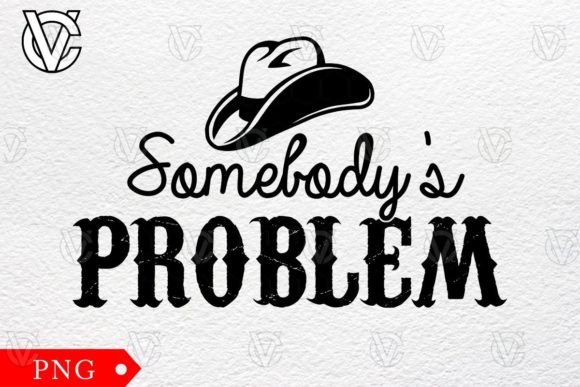
The moment you open the preview of Somebody s Problem Cowboy, the theme is immediately clear. It leans heavily into Western aesthetics, which is a perennial favorite in the handmade apparel space. The phrase itself carries a specific attitude—rebellious, rugged, and slightly humorous. For a designer, this is valuable because it gives the finished product a voice before the customer even touches it. It does not feel like a generic clip art; it feels like a statement piece intended for custom apparel that needs character.
Visually, the layout appears balanced. In embroidery, balance is everything. If a design is too heavy on one side, your machine will struggle with hooping stability, and the final product might pucker. From what I can discern in the PNG preview, the text and graphical elements seem to sit comfortably within a standard hoop area. This makes it an ideal candidate for a tote bag design or a centered chest placement on a sweatshirt embroidery project. The Western motif suggests it would pair exceptionally well with denim, canvas, or heavyweight cotton blends, materials that are staples in boutique branding.
Real-World Application: Where This Design Shines
I have spent years watching trends come and go, but personalized gifts with a touch of humor never truly fade. Somebody s Problem Cowboy fits perfectly into the niche of humorous, relatable merchandise. Here is where I see this machine embroidery design performing best in actual production scenarios:
- Holiday Gifts and Seasonal Sales: During Q4, customers are hunting for unique, funny gifts. A sweatshirt or a cozy blanket featuring this design could be a top seller for an Etsy seller looking to capitalize on Christmas or birthday shopping.
- Craft Business Merchandise: For those selling at farmers markets or artisan fairs, this design works well on aprons. Imagine a baker or a crafter wearing an apron with this Western flair. It adds personality to the vendor’s booth and serves as a conversation starter.
- Baby Embroidery and Nursery Decor: While the phrase is edgy, the Western theme can be softened with pastel threads. Using this on a baby onesie or a nursery pillow cover creates a trendy "modern cowboy" aesthetic that is popular among millennial parents.
- Embroidered Patch Applications: If you are creating design assets for sublimation or patch-making, this graphic has strong potential. It translates well to iron-on patches for jackets or backpacks, expanding its utility beyond just direct-to-garment stitching.
The versatility of this graphics template means it can serve multiple product lines. Whether you are making custom apparel for men or women, or creating printable mockups to showcase your services, this design offers a solid foundation. It helps establish brand consistency for shops that specialize in western, rustic, or Americana themes.
Technical Considerations and Stitch Execution
As a reviewer, I must address the technical side. A beautiful PNG does not guarantee a beautiful embroidery. You need to consider how the stitch density will behave. If the design relies heavily on dense fill stitches, you risk fabric distortion, especially on lightweight fabrics. Conversely, if it uses mostly running stitch or satin stitch outlines, it may lack visual impact unless the color contrast is high.
When planning your production run, keep the following technical notes in mind:
- Thread Color Contrast: Ensure your chosen thread colors pop against your fabric. On dark fabrics, light-colored threads can get lost if the stitch count is low. Test your thread colors on scrap pieces of your target material.
- Hoop Size Constraints: Verify that the design dimensions fit your standard hoops. If the design is larger than 5x7 inches, you may need to split the file or use a multi-hooping technique, which increases production time.
- Stabilizer Selection: Use the correct stabilizer for your fabric type. Cut-away stabilizer is generally recommended for knitwear and stretchy fabrics to prevent puckering, while tear-away works well for woven cottons.
- Detail Inspection: Zoom in on the digital file. Are there tiny details that might get lost in the stitching? Fine lines often require very fine needles and high-quality thread to render clearly. If the details are too small, they may merge together, creating a muddy look.
Areas of Caution: Where to Use Carefully
No design is perfect for every surface. There are specific situations where Somebody s Problem Cowboy might not deliver the best results:
- Small Hoop Sizes: Attempting to fit a detailed Western graphic into a very small hoop (like 4x4 inches) can compromise legibility. Text might become too small to read easily.
- Textured or Thick Fabrics: Avoid using this on bouclé wool or extremely thick fleece. The needle penetration might be difficult, and the texture of the fabric could obscure the finer details of the design.
- Curved Surfaces: While caps are popular, complex graphics with sharp angles or intricate lettering can distort when stitched on a curved brim or crown. Simple logos work better here.
- Frequent Washing: If the design involves delicate satin stitches that catch easily, it may not hold up well after dozens of wash cycles. For items like kitchen towels or workwear, ensure the design is robust enough to withstand industrial laundering.
Final Verdict for Creative Entrepreneurs
Overall, Somebody s Problem Cowboy is a strong contender for designers looking to add a bit of edge to their handmade product catalogs. It strikes a good balance between thematic clarity and commercial appeal. It is not just a decorative element; it is a conversational piece that resonates with buyers who appreciate humor and western style.
For commercial embroidery projects, I recommend testing this design thoroughly before listing it on your shop. Create a few sample products—a tote bag, a cap, and a sweatshirt—and photograph them in natural light. See how the fabric texture interacts with the design. Does it look professional? Does it invite engagement? If the answer is yes, then you have a winner.
Remember to check the licensing terms associated with the download. Since this is a digital item, ensure you are permitted to sell finished goods made from the design. Assuming the license allows for commercial use, this embroidery file can be a valuable addition to your library of digital embroidery files. It offers the kind of personality that turns casual browsers into loyal customers, helping you stand out in a crowded marketplace of small shop products.
In conclusion, if you are ready to produce high-quality, themed merchandise that connects emotionally with your audience, Somebody s Problem Cowboy is worth your investment. Just remember: the magic happens in the testing phase. Trust your instincts, prep your fabrics correctly, and let the quality of your stitching speak for itself.