Touchdown Season Western Sublimation Review
As a designer who spends half the year preparing for football season and the other half troubleshooting stitch errors, I approach every new digital asset with a mix of excitement and skepticism. When I first pulled up Touchdown Season Western Sublimation, I wasn’t just looking at a pretty picture; I was mentally mapping out how this design would translate from a screen to fabric. For embroidery designers, small business owners, and crafters, the gap between a digital preview and a stitched reality is where businesses are made or lost. This review breaks down whether this specific design deserves a spot in your library for your next batch of custom apparel, personalized gifts, or boutique merchandise.
First Impressions: Mood and Visual Personality
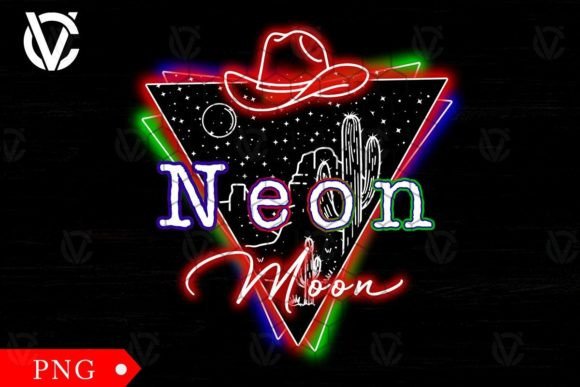
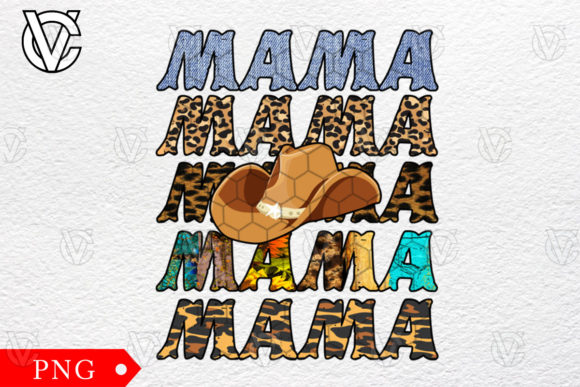
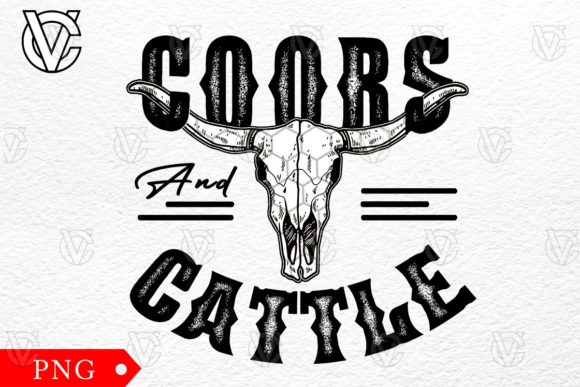
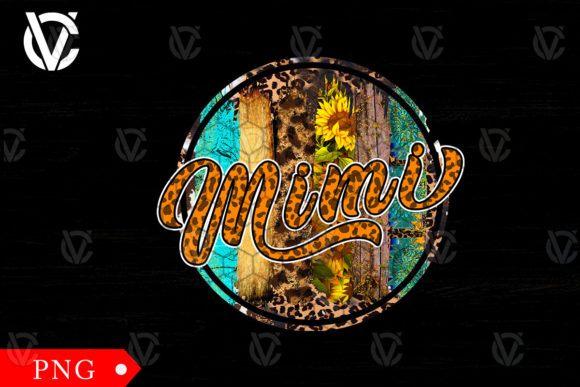
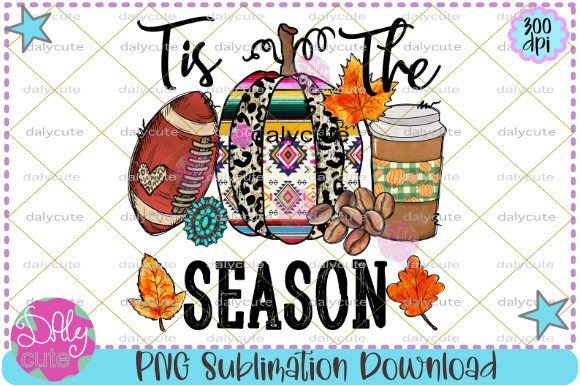
The moment you load the file, the theme is unmistakable. The "Western" aspect suggests rugged textures, perhaps denim motifs, cowboy silhouettes, or rustic typography, while "Touchdown Season" anchors it firmly in sports culture. This combination creates a specific mood that is both celebratory and masculine-leaning, though certainly adaptable depending on your thread choices. It feels like a design meant for celebration—game day parties, tailgates, or welcoming a new baby boy into a family of fans.
Visually, the layout appears balanced for standard embroidery applications. It doesn’t scream for attention with chaotic elements but rather offers a cohesive graphic that reads clearly from a distance. For an Etsy seller or someone running a craft business, this clarity is crucial. Buyers scrolling through their phones need to grasp the aesthetic instantly. The design has a professional polish that suggests it belongs in a high-quality handmade product line rather than a quick, disposable craft project. It bridges the gap between casual hobbyist work and serious commercial embroidery potential.
Real-World Application: Where This Design Shines
I recently considered using Touchdown Season Western Sublimation for a custom order involving a set of matching father-and-child outfits. Here is how I visualized the execution across different mediums:
- Sweatshirt Embroidery: This is arguably the strongest use case. A heavyweight cotton blend sweatshirt provides the perfect stable base for a design with moderate detail. The western theme pairs naturally with the texture of fleece or French terry, creating a cozy, premium feel. Placing the design on the left chest creates a subtle brand-like logo, while a larger placement on the back turns it into a statement piece.
- Tote Bag Design: Canvas totes are staples for small shop products. However, canvas can be tricky. If the design features fine lines, they might get lost in the weave. But if the design relies on bold shapes and thick satin stitch outlines, it pops beautifully against natural or black canvas. It becomes a functional accessory that doubles as marketing for your brand.
- Baby Embroidery: Personalized onesies or burp cloths are high-demand items. Using this design on soft baby garments requires careful thread selection. Opting for softer pastel threads instead of harsh primary colors can soften the "tough" western vibe, making it suitable for nursery decor or baby shower gifts. It adds a unique twist to standard sports themes.
- Embroidered Patch: Converting this into a detachable patch allows for versatility. Customers can attach it to jackets, hats, or backpacks. This increases the perceived value of your finished product because it offers customization options post-purchase.
In these scenarios, the design acts as a strong anchor. It doesn’t just decorate; it tells a story about fandom and style. For printable mockups and design assets, having a clean, well-composed original file ensures your previews look sharp, boosting buyer confidence before they even click "buy."
Technical Considerations and Potential Pitfalls
No design is perfect for every surface. Before committing to production runs, I always stress-test my files. Here is where Touchdown Season Western Sublimation might require caution:
- Small Hoop Sizes: If you plan to embroider this on tiny items like socks or miniature hats, you may run into issues. Designs with intricate western details often suffer when scaled down too far. Small text or thin lines can merge together, resulting in a muddy mess. Always check the minimum recommended hoop size provided by the creator.
- Fabric Texture and Stretch: Avoid placing this on highly textured fabrics like chunky knits or stretchy spandex blends unless you are using a heavy-duty stabilizer. The movement of the fabric during stitching can distort the geometry of the design. For custom apparel like jerseys, ensure you are using a cut-away stabilizer to prevent puckering over time.
- Dense Stitch Areas: If the design includes large blocks of fill stitch, it can become stiff and uncomfortable against the skin. This is particularly important for baby clothing or kitchen towels where softness matters. You might need to adjust the stitch density in your software or reduce the coverage area to maintain comfort.
- Thread Color Contrast: The success of any machine embroidery design hinges on contrast. On dark fabrics, light threads can disappear. On white fabrics, dark threads might bleed visually if not backed properly. I recommend testing the design in black and white mockups first to ensure the silhouette remains distinct regardless of color.
Practical Designer Notes for Production
Before you hit "start" on your machine, there are several non-negotiable steps I take with every new download, including this one:
- Test on Scrap Fabric: Never go straight to the final product. Use a scrap piece of the same material to check how the stitch density interacts with the fabric weight.
- Inspect Small Details: Zoom in on the digital file. Are there tiny decorative accents that might not stitch cleanly? Sometimes, what looks good on a 4K monitor disappears in thread.
- Confirm Licensing: Since this is a digital embroidery file, you must verify the license terms. Can you sell unlimited finished items? Is there a cap on commercial sales? Clarifying this protects your craft business from legal issues later.
- Stabilizer Selection: Match the stabilizer to the fabric. Woven fabrics often need tear-away, while knits require cut-away. Proper stabilization is the difference between a professional finish and a warped disaster.
- Thread Choice: Experiment with different thread colors. Metallic threads might add a nice touch to the western elements, but they require slower speeds and different tension settings. Plan your thread palette to enhance the mood, not fight it.
Final Verdict
Touchdown Season Western Sublimation is a versatile, mood-rich design that fits seamlessly into the current trends of personalized sports merchandise. It appeals to a broad audience, from hardcore fans looking for game-day gear to parents wanting unique baby gifts. Its strength lies in its thematic cohesion—it doesn’t feel like a generic template but rather a curated artistic choice.
For apparel decorators and creative entrepreneurs, this file offers a solid foundation for building a seasonal collection. Whether you are producing limited-edition drops for craft fairs or expanding your Etsy listings with fresh inventory, this design delivers visual impact. Just remember: the quality of the final output depends entirely on your preparation. Test thoroughly, stabilize correctly, and choose your threads wisely. When executed well, Touchdown Season Western Sublimation transforms from a simple digital image into a tangible, cherished handmade product that customers will wear and display with pride.
If you are looking to add a touch of rustic flair to your sports-themed offerings, this design earns a spot in your rotation. It is practical, stylish, and ready to elevate your embroidery project game.