Western Leopard Baseball Review
As a designer who spends half my life staring at stitch charts and the other half trying to convince clients that "embroidery" doesn't just mean a simple logo on a polo, I have seen trends come and go. But when it comes to combining rugged, western aesthetics with classic sports silhouettes, there is a specific tension that can either make a design sing or fall flat. That is exactly where Baseball Sublimation, Western Leopard enters the conversation. This isn't just another generic graphic; it is a distinct visual statement that asks serious questions about texture, contrast, and marketability.
I recently pulled this file for a test run, imagining it not just as a digital asset but as a tangible product sitting on a shelf in a boutique or listed on an Etsy shop. The goal was to see if the concept holds up under the scrutiny of real-world application. Would it translate well from screen to fabric? Would it feel cohesive or chaotic? Here is my practical breakdown of how this design performs in the wild.
The First Impression: Mood and Visual Personality
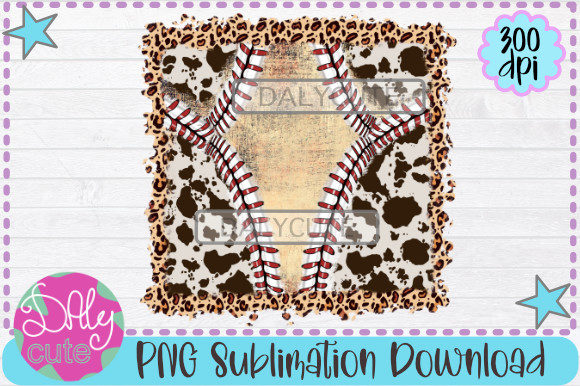
The moment you open the file, the mood is immediately established. It blends the structured, familiar shape of a baseball cap or jersey with the organic, untamed pattern of leopard print. In the world of graphics and print templates, this kind of juxtaposition is risky. If done poorly, it looks like a mismatched accident. However, Baseball Sublimation, Western Leopard manages to balance these two opposing forces effectively.
The visual personality is bold, confident, and slightly rebellious. It speaks to a demographic that appreciates streetwear influences mixed with rustic charm. For an Etsy seller or a small business owner, this is valuable because it targets a niche audience that is often underserved by standard, clean-line designs. It feels like something you would wear to a music festival, a rodeo, or a casual Friday at a creative agency. The layout suggests movement, which is crucial for embroidery because static designs can sometimes look stiff once stitched.
Real-World Application: Where Does This Design Shine?
Let’s talk about actual use cases. I imagine this design thriving on specific items where its texture and theme can be highlighted. One scenario that stands out is creating a custom apparel line for a local brand. Picture a heavyweight cotton sweatshirt embroidered with this motif on the chest. The leopard print adds a layer of visual interest that breaks up the monotony of solid colors, while the baseball shape grounds it in familiarity.
Another strong candidate is the tote bag design. A canvas tote featuring this embroidery becomes more than just a carrier; it becomes a fashion accessory. The durability required for a tote bag aligns well with the robust nature of the design. Similarly, for holiday embroidery or personalized gifts, this design offers a unique alternative to traditional seasonal motifs. It works exceptionally well for baby embroidery on gender-neutral onesies or blankets, offering a modern twist on classic patterns.
It also has potential in the realm of commercial embroidery for corporate merchandise, provided the client wants to project a trendy, edgy image. Think of a tech startup or a creative marketing firm wanting branded caps that stand out. The embroidered patch application is another avenue worth exploring, allowing customers to customize jackets or backpacks with removable flair.
Technical Considerations and Stitch Performance
As an experienced reviewer, I cannot stress enough that a beautiful graphic does not always equal a successful machine embroidery design. The devil is in the details, specifically regarding stitch density and thread contrast. When evaluating Baseball Sublimation, Western Leopard, you must consider how the leopard spots will render in thread.
If the spots are too small, they may disappear into the fabric texture, especially on textured fabrics like heavy denim or waffle-knit sweatshirts. Conversely, if the design relies heavily on fine detail, it might get lost in fill stitch areas. I recommend testing the design on scrap fabric first. Pay close attention to the satin stitch edges around the baseball outline; they need to be crisp to maintain the shape’s integrity. If the stitching is too dense, the fabric might pucker, ruining the drape of a finished product like a cap or a pillow cover.
Thread color selection is paramount. The leopard print likely requires multiple thread shades to achieve depth. Ensure your machine is calibrated for smooth transitions between these colors. Also, inspect the running stitch details if present; they should be clean and not prone to tangling. Always check the hoop size requirements to ensure the design fits comfortably within your machine’s capabilities without excessive trimming.
Where to Exercise Caution
While this design has broad appeal, there are scenarios where it might struggle. Avoid using it on stretchy fabric unless you are using a high-quality stabilizer, as the distortion could warp the baseball shape. Dark fabric can also pose challenges if the thread colors lack sufficient contrast, making the design muddy. Additionally, be cautious with tiny lettering or intricate corners; these elements often fail to reproduce clearly in embroidery, leading to a less professional appearance.
Products that require frequent washing, such as kitchen towels or everyday aprons, need durable stitching. Test the wash-fastness of your threads. If the design is intended for a curved surface like a cap, ensure the digitization accounts for the curvature to prevent puckering at the seams.
Impact on Brand and Customer Trust
In the competitive landscape of craft business and online selling, presentation is everything. A well-executed embroidery project builds trust. When a customer sees a sharp, professionally stitched Baseball Sublimation, Western Leopard design, they perceive higher value. It signals attention to detail and quality craftsmanship.
This design enhances brand consistency for businesses aiming for a bohemian-western aesthetic. It helps in buyer engagement because it is visually distinctive. In a sea of generic floral or geometric patterns, this design stands out. For printable mockups and design assets, having a versatile file allows you to showcase the product in various contexts, helping potential buyers visualize the final item.
Practical Designer Notes for Success
- Test on Scrap Fabric: Never skip this step. It reveals issues with tension, density, and color blending before you commit to a saleable item.
- Check Stabilizer Choice: Use the appropriate stabilizer for your fabric type. Cut-away for knits, tear-away for wovens, and hooped stabilizers for delicate items.
- Review in Black and White: Convert your mockup to grayscale to ensure there is enough contrast between the design elements and the background fabric.
- Confirm Licensing: Before listing any small shop product or digital download, verify the license terms. Ensure you have the right to sell finished goods made from this digital embroidery file.
- Inspect Small Details: Zoom in on the leopard spots. Are they clear? Do they overlap awkwardly? Adjustments may be needed in your embroidery software.
Ultimately, Baseball Sublimation, Western Leopard is a compelling choice for designers looking to add edge and elegance to their repertoire. It bridges the gap between sporty and sophisticated, offering endless possibilities for personalized gifts and handmade products. By approaching it with technical care and creative vision, you can create pieces that resonate deeply with customers and elevate your brand’s presence in the market.