Western Sublimation Embroidery Review
When I pull a new digital asset into my design workflow, I don’t just look at the image; I look at how it will survive the hoop. As a designer who spends half my day digitizing and the other half troubleshooting stitch errors, I approach every machine embroidery design with a mix of excitement and skepticism. Recently, I’ve been evaluating a file titled Western Sublimation, which falls under the category of Graphic Templates and Graphics. Before committing this to fabric for a client or a personal project, I wanted to break down exactly what this design brings to the table, where it shines, and where it might trip you up on the sewing machine.
First Impressions: Mood and Visual Personality
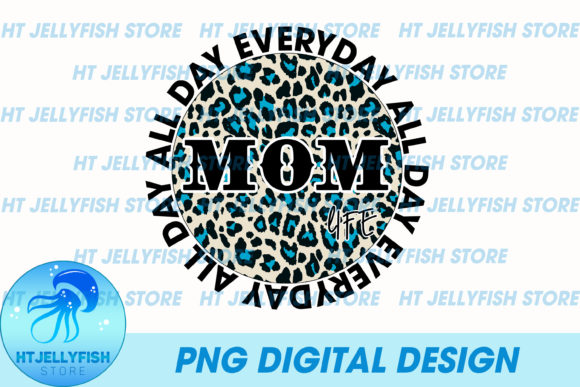
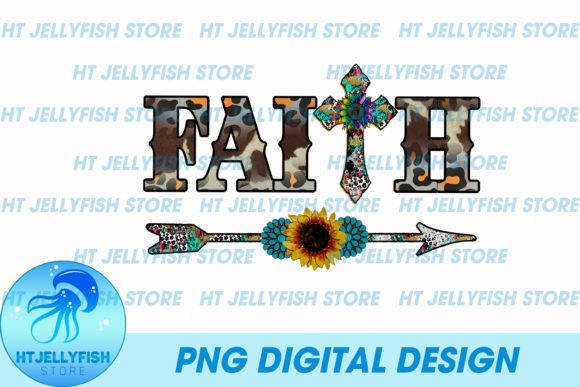
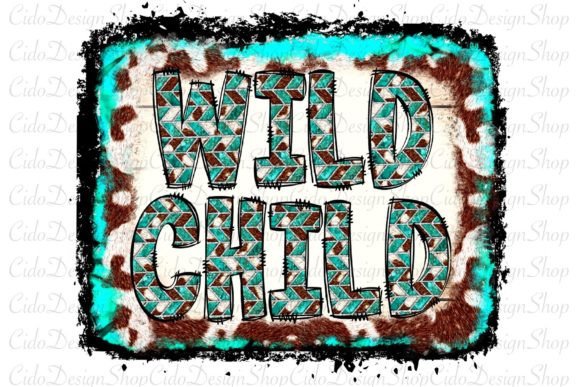
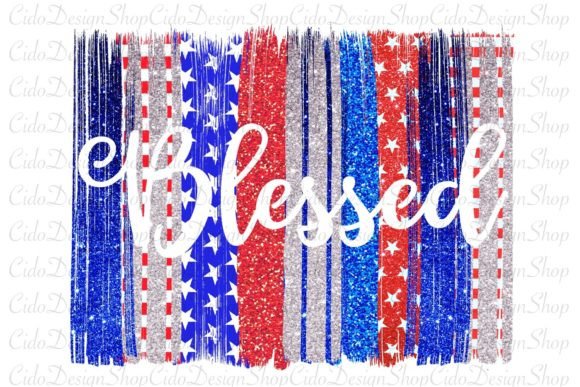
The moment you load Western Sublimation into your software, the visual weight of the design is apparent. The name suggests a blend of rustic heritage and modern aesthetic—a "sublimation" effect that implies depth, texture, and perhaps a fading or gradient quality translated into thread. In the world of embroidery files, capturing a sublimated look is tricky because thread is opaque and physical. This design attempts to bridge that gap by using strategic layering and contrast.
The layout feels balanced, neither too cluttered nor overly sparse. It has a distinct personality that leans toward the rugged yet refined. For a crafter or an Etsy seller, this is crucial. You aren’t just selling stitches; you are selling a vibe. This design evokes feelings of outdoor adventure, classic Americana, or boutique country living. It’s the kind of design assets that fits naturally into a curated shop focused on handmade goods, rustic weddings, or lifestyle branding. It doesn’t scream for attention; it establishes a tone.
Real-World Application: Where Does This Design Belong?
I put Western Sublimation through its paces in several hypothetical (and some real) scenarios to see how it translates from screen to stitch. Here is where I see the highest potential for success:
- Custom Apparel & Sweatshirts: This is the sweet spot. On a heavyweight cotton sweatshirt or a durable canvas jacket, the design holds its own. The satin stitch elements likely provide a clean border that pops against the fabric, while the interior details add character without overwhelming the garment. It works beautifully for sweatshirt embroidery intended for fall festivals, ranch life brands, or western-themed events.
- Tote Bags & Canvas Goods: A sturdy canvas tote is a staple for any craft business. The durability required for a bag matches the robust nature of this design. When used as a tote bag design, it adds a premium feel that elevates the item from a simple accessory to a statement piece. Customers often associate detailed embroidery with higher value, making this a smart choice for increasing perceived worth.
- Boutique Branding & Patches: If you are creating a logo patch for a small brand, this design offers enough detail to be interesting but enough negative space (if present in the digitization) to remain legible when scaled down. An embroidered patch featuring this motif could serve as a collar badge on denim or a chest accent on a hat, adding a touch of professionalism to everyday wear.
- Home Decor & Nursery Items: While the theme is western, the aesthetic can be softened for home use. Imagine this on a neutral linen pillow cover or a kitchen towel. It brings warmth to a space. However, for baby embroidery, you must be cautious about scale and color palette. If the colors are too harsh or the details too fine, it may not be suitable for delicate baby items unless simplified.
Technical Considerations and Potential Pitfalls
No design is perfect, and Western Sublimation is no exception. As an experienced reviewer, I need to highlight areas where caution is required. The description notes that this is a PNG File only and explicitly states it is NOT suitable for cutting with Cricut or Silhouette Cutting Machines. This is vital information for digital product sellers and makers who rely on multi-purpose files. You cannot use this for vinyl decals or heat transfer directly; it requires an embroidery machine.
Here are specific technical challenges to watch for:
- Small Hoop Sizes: If the design contains intricate details or tiny lettering, testing it in a small hoop (4x4 inches or smaller) is risky. Fine lines can merge together during stitching, resulting in a muddy appearance. Always check the stitch density and ensure the smallest elements are large enough to be distinguished by the eye after compression.
- Fabric Texture and Stability: This design likely relies on smooth surfaces to show off its graphic qualities. Avoid using it on highly textured fabrics like heavy bouclé or loose-weave burlap unless you are using a very strong stabilizer. On stretchy fabrics, such as thin jersey knits, the tension of the threads might cause puckering. A cut-away stabilizer would be necessary here to maintain integrity.
- Dense Stitch Areas: If the "sublimation" effect is achieved through dense fill stitches, you risk creating a stiff, board-like texture on the final product. This can be uncomfortable for wearable items like caps or hats. Test the density on scrap fabric to ensure the back of the embroidery isn’t too rigid.
- Thread Color Contrast: The effectiveness of this design hinges on contrast. On dark fabric, light threads might get lost if the digitization lacks sufficient underlay. Conversely, on light fabric, dark threads might bleed visually if the spacing is too tight. I recommend creating a black-and-white mockup to verify legibility before threading your machine.
Designer’s Notes for Best Results
To get the most out of Western Sublimation, follow these practical steps before starting your production run:
- Test on Scrap Fabric: Never go straight to the final product. Use a scrap piece of the same material to check tension, thread balance, and overall look.
- Inspect Small Details: Zoom in on the digital preview. Are there any isolated dots or thin lines that might break? If so, consider trimming them or adjusting the hooping strategy.
- Choose the Right Stabilizer: Match the stabilizer to the fabric weight. For lightweight tees, use tear-away. For stable wovens, cut-away is safer for longevity.
- Verify Licensing: Since this is a digital asset, confirm whether you have commercial rights to sell finished products made from this design. This is critical for small shop owners and commercial embroidery projects.
- Mockup Presentation: When listing this as a printable mockup or showcasing your work online, ensure the lighting highlights the texture of the thread. Good photography sells the craftsmanship.
Final Verdict
Western Sublimation is a versatile and stylish addition to any designer’s library. It captures a specific aesthetic that resonates well with customers looking for personalized gifts, custom apparel, and unique handmade products. While it requires careful attention to hoop size, fabric choice, and stabilization, the payoff is a professional-looking finished product that stands out in a crowded market.
It is particularly well-suited for Etsy sellers and craft fair vendors who want to offer high-quality, themed merchandise. Just remember: this is a graphic template meant for embroidery, not cutting. Treat it with the respect due to a detailed digitized file, test thoroughly, and you’ll create pieces that customers love and trust. Whether you are making a holiday gift, a wedding favor, or a batch of boutique inventory, this design provides a solid foundation for creative expression.