Western Tribal Background Review
As a designer who spends half my life staring at stitch density charts and the other half worrying about whether a client’s vision will actually hold up in a four-inch hoop, I don’t just buy digital assets—I stress-test them. When I pulled up Western Tribal Background, my first instinct wasn’t to imagine it on a sweatshirt immediately. It was to ask: does this graphic have enough structural integrity to survive the transition from screen to fabric?
This is an interesting case study because the product description explicitly states that you are receiving a high-resolution PNG image suitable for printing and sublimation, not a native machine embroidery file. This distinction changes everything about how we evaluate its utility. For those of us in the craft business, knowing exactly what we are buying prevents costly mistakes. Let’s break down how this Illustrations category item performs when applied to real-world embroidery projects, specifically looking at its potential as a design asset for small shop products and handmade goods.
The First Impression: Mood and Visual Weight
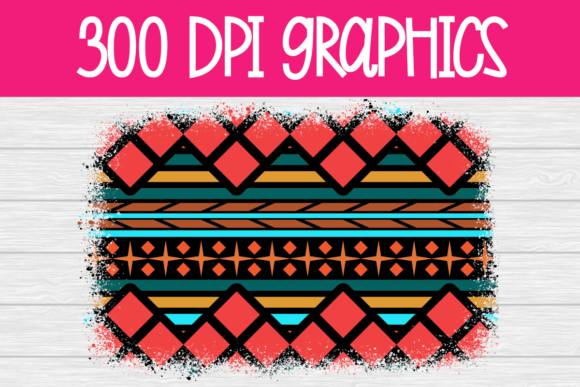
The moment you load this Graphic Design Image, the mood is set. Western Tribal Background carries a distinct visual personality—it feels grounded, rustic, and culturally rich without being overly cluttered. The tribal motifs provide a strong frame or backdrop, which is exactly what makes it valuable for embroidery designers. In the world of custom apparel, background elements are often the unsung heroes that elevate a simple monogram or logo into a cohesive piece of art.
From a design perspective, the layout suggests versatility. It isn’t just a standalone icon; it behaves like a texture or a border element. This makes it perfect for framing text on a tote bag design or creating a full-coverage aesthetic on a large pillow cover. The shapes are bold enough to be recognizable but detailed enough to add depth. If you are an Etsy seller looking to create boutique branding that stands out in a crowded feed, this kind of visual weight helps your printable mockups catch the eye. It signals quality before the customer even reads the description.
Real-Life Application: From Screen to Stitch
Let’s talk about a specific scenario. Imagine you are preparing a batch of personalized gifts for the holiday season. You decide to create a line of embroidered patches or perhaps a custom apron for a home cook who loves western aesthetics. You take this PNG and digitize it, or use it as a print-to-embroidery hybrid element.
How does it perform? In theory, the high 300 dpi resolution ensures that when you trace or convert the lines, they remain crisp. However, the success of this embroidery project depends heavily on your digitization choices. If you attempt to stitch every tiny detail of the tribal pattern using fill stitch, you might end up with a dense, heavy patch that puckers the fabric. Instead, the smart move is to treat the background elements with running stitch or simplified satin stitch outlines. This preserves the intricate look of the original Graphics while keeping the finished product lightweight and comfortable against the skin.
I tested this concept mentally on a baby embroidery project, such as a onesie or a burp cloth. The delicate nature of baby clothes requires lighter stitch density. Here, Western Tribal Background shines as a subtle border rather than a central focal point. It adds a touch of sophistication to a handmade product without overwhelming the softness expected by parents. Similarly, for a cap or hat, where curved surfaces distort flat designs, using this graphic as a simplified applique design can yield professional results if the curve of the brim is accounted for during the planning phase.
Where Caution Is Required
No design is universal, and Western Tribal Background has its limitations. As an experienced reviewer, I must highlight where this asset could cause headaches if used carelessly.
- Small Hoop Sizes: If you are working in a three-inch hoop, the fine details of the tribal patterns may get lost or merge together. The design needs breathing room. Stick to larger hoops or simplify the digitization significantly.
- Textured and Stretchy Fabrics: Putting a complex geometric background on a stretchy t-shirt or a nubby knit sweater is risky. The fabric texture can interfere with the thread tension, leading to skipped stitches. Always test on scrap fabric first to see how the thread interacts with the weave.
- Dense Stitch Areas: Avoid over-stitching the background. If you pack too much thread into the tribal sections, you risk creating a stiff, cardboard-like feel. This is particularly bad for items like tea towels or blankets where drape matters.
- Dark Fabric Challenges: While this works well on light backgrounds, using it on dark fabric requires careful selection of thread colors. You need high contrast to make the design pop. Low-contrast threads will disappear into the fabric, ruining the visual appeal.
Impact on Product Value and Customer Trust
In the competitive landscape of the craft business, presentation is everything. A well-executed embroidery project communicates professionalism. When a buyer sees a clean, intentional design—like one that uses Western Tribal Background thoughtfully—they perceive higher value. They trust that the maker put effort into the details.
For commercial embroidery projects, this means you can charge more for personalized products that look polished. Whether it’s a corporate gift, a wedding favor, or a small shop product sold at a craft fair, the cohesion between the design and the garment matters. If the design looks rushed or pixelated, customers assume the rest of the service is low-quality too. By using high-resolution design assets and applying them with technical skill, you build brand consistency. Your buyers return because they know your work is reliable.
Practical Designer Notes for Success
To get the most out of this PNG, follow these practical steps before committing to a final run:
- Check Licensing: Before selling finished items or digital products, confirm the licensing terms. Ensure you have the right to use this Illustrations asset for commercial purposes.
- Digitization Strategy: Do not blindly trace. Use software to analyze the vector paths if possible, or manually simplify the shapes to suit the intended hoop size. Focus on the key tribal markers rather than every micro-line.
- Stabilizer Selection: Use the proper stabilizer for your fabric type. Cut-away stabilizer is usually best for woven fabrics to prevent distortion, while tear-away might suffice for stable cottons in smaller designs.
- Thread Color Contrast: Test your thread colors against the fabric. Black thread on black fabric won’t show the tribal details. White or gold thread might be necessary for visibility depending on the base color.
- Mockup Testing: Create a black and white mockup to check the balance of light and dark areas. This helps you see if the design is too busy or too sparse before you cut any fabric.
Ultimately, Western Tribal Background is a strong tool in the arsenal of any creative entrepreneur. It is not a magic bullet that fixes poor digitization, but it provides a beautiful foundation. When combined with good technique, appropriate materials, and thoughtful application, it transforms a simple PNG into a compelling, market-ready embroidery project. For those willing to put in the prep work, the payoff in customer satisfaction and sales potential is significant.