Family Tradition-Asphalt Cowboy Review
As a designer who spends half her life staring at stitch charts and the other half trying to sell handmade goods, I don’t just look at an embroidery design; I look at its potential. When Family Tradition-Asphalt Cowboy landed in my inbox, I didn’t just see a file. I saw a story waiting to be stitched into fabric. This isn’t just another generic graphic; it is a narrative piece that speaks directly to the rugged, sentimental heart of modern Americana. For those of us in the craft business, finding designs that bridge the gap between "cute" and "cool" is rare. This one hits that sweet spot.
The First Impression: Mood and Visual Personality
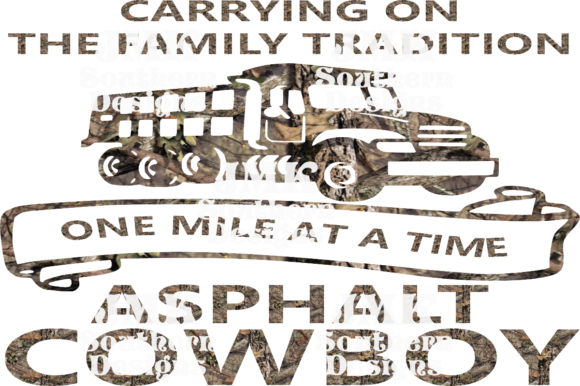
The moment you open the assets, the theme is undeniable. The phrase "Carrying on the family tradition. One mile at a time. Asphalt Cowboy" sets a specific tone. It’s not loud or overly decorative. It’s grounded. In my experience, text-heavy designs can often feel cluttered if the typography isn’t balanced perfectly with the visual elements. Here, the layout feels intentional. The concept of the "Asphalt Cowboy" evokes images of long drives, pickup trucks, dusty roads, and the passing down of values from father to child, or grandfather to grandson.
This design creates a mood of nostalgia mixed with contemporary grit. It feels like something you would see on the wall of a garage workshop or embroidered on the back of a leather vest. For an embroidery project, this visual personality is powerful because it appeals to emotion. Customers don’t just buy a tote bag or a sweatshirt; they buy the identity associated with it. This design allows the wearer to signal their values without saying a word. It has a strong visual personality that stands out even when stitched in monochrome thread colors.
Real-World Application: Where Does This Design Belong?
I’ve been thinking about where Family Tradition-Asphalt Cowboy would perform best in a real production run. Let’s talk about custom apparel first. A heavyweight cotton sweatshirt or a durable canvas tote bag is the obvious choice. The rugged nature of the text suggests a fabric that can handle some texture. Imagine this stitched onto a unisex crewneck sweatshirt in heather grey or olive green. The contrast against the fabric would highlight the lettering beautifully.
However, I also see immense potential in smaller, more personal items. A personalized gift for a new dad or a grandfather is a perfect use case. Embroidering this onto a baby onesie or a small bib adds a layer of sentimentality that parents love. It transforms a basic item into a keepsake. Furthermore, for the Etsy seller or small shop owner, this design works exceptionally well for holiday embroidery collections. It fits the Q4 rush perfectly, offering a unique alternative to traditional Christmas motifs while still feeling warm and familial.
Consider the commercial embroidery angle. If you are creating branded merchandise for a local trucking company, a rural lifestyle brand, or a family-owned farm, this design serves as excellent design assets. It elevates the perceived value of the finished product. When a customer sees high-quality stitching on a durable apron or a patch for a cap, they trust the brand more. The professionalism of the layout suggests that care was taken in the creation process, which translates to buyer engagement and repeat sales.
Technical Considerations for the Stitcher
Now, let’s get practical. As someone who reviews these files before buying, I know that a beautiful image can fail miserably if the technical execution isn’t sound. While Family Tradition-Asphalt Cowboy is delivered as digital files (PNG and SVG), converting this to a machine embroidery design requires careful planning. You need to consider the stitch density carefully. Text-based designs can become stiff if the fill stitch is too dense, especially on stretchy fabrics like jersey knits used for t-shirts.
If you are converting this to an embroidery file, pay close attention to the satin stitch around any outlined letters or graphical elements. Satin stitches must be tight enough to cover the fabric but loose enough to avoid puckering. I always advise testing the design on scrap fabric first. Check how the thread colors interact with your chosen fabric texture. Dark fabric might require a lighter underlay or a different thread palette to ensure legibility.
Also, think about hoop size. This design likely has a decent width due to the multiple lines of text. Ensure your hoop size accommodates the full width without cutting off important details. If you plan to place this on a curved surface, like a baseball cap, you will need a flexible stabilizer and perhaps a specialized cap frame to maintain the integrity of the lettering. Curved surfaces can distort straight lines, so practice on a cheap hat before committing to a premium product.
Where to Use With Caution
Not every application is a good fit. Avoid using this design on very thin fabrics, such as sheer linens or lightweight synthetics, unless you use a heavy-duty tear-away stabilizer. The weight of the threads could cause the fabric to pucker excessively. Similarly, be cautious with tiny lettering. If the design includes small print details, they may disappear after washing or become illegible on small products like baby socks or miniature patches. Decorative accents should be tested for durability, especially if the finished product will undergo frequent washing. For items that need to withstand industrial laundry cycles, confirm that the stitch density is appropriate for longevity.
Design Value and Brand Consistency
From a branding perspective, Family Tradition-Asphalt Cowboy offers consistency. It doesn’t try to be everything to everyone. It targets a specific demographic that appreciates heritage, labor, and family bonds. This clarity helps in marketing. When you create printable mockups for your Etsy listings, this design naturally draws the eye. It looks professional and cohesive. Whether you are selling a standalone digital embroidery file or a physical handmade product, the design carries a sense of authenticity that resonates with buyers.
For the craft business owner, this means less time explaining the "vibe" of the product and more time closing the sale. The design does the heavy lifting. It communicates tradition and resilience instantly. This emotional connection is what turns a casual browser into a loyal customer. It also makes for excellent giftability. People love giving gifts that feel personal and meaningful. An embroidered patch with this message on a denim jacket or a kitchen towel is a gift that tells a story.
Final Verdict for the Creative Entrepreneur
In conclusion, Family Tradition-Asphalt Cowboy is a versatile and emotionally resonant design that deserves a spot in your library. It bridges the gap between digital graphics and tangible craftsmanship effectively. Whether you are an experienced embroiderer looking to expand your catalog or a beginner eager to create a meaningful personalized gift, this design provides a solid foundation. Just remember to respect the technical limitations of embroidery. Test your stabilizers, choose your thread colors wisely, and always prioritize the fabric's behavior over the screen's appearance.
If you are looking to add a touch of rustic charm and heartfelt messaging to your custom apparel or boutique products, this is a smart investment. It’s not just a pattern; it’s a conversation starter. Make sure to check the specific licensing terms if you plan to sell the finished items commercially, but visually and thematically, this design is ready to hit the hoop. It’s rugged, it’s real, and it’s ready to carry on the tradition of great handmade goods.