Reviewing Serape Cactus Western Leopard Teardrop
As a designer who spends more time staring at hoop frames than actual screens, I have learned to trust my gut when evaluating digital assets before they ever touch the needle. The market is flooded with generic clipart disguised as embroidery files, but Serape Cactus Western Leopard Teardrop caught my eye for a different reason. It feels less like a random graphic and more like a cohesive design statement. For those of us running small shops or crafting personalized gifts, the difference between a "nice image" and a "stitchable design" is often the difference between a satisfied customer and a refund request. This review breaks down how this specific piece performs in real-world scenarios, from initial visual impact to final stitch-out results.
The First Impression: Mood and Visual Personality
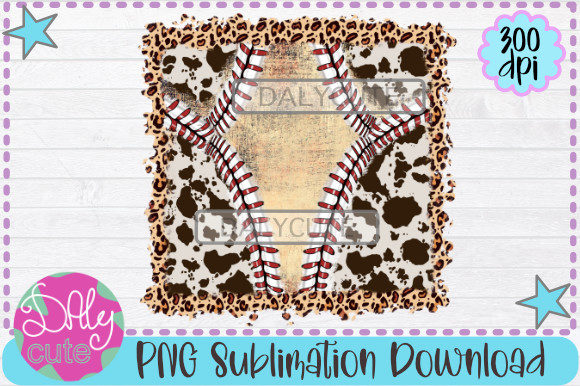
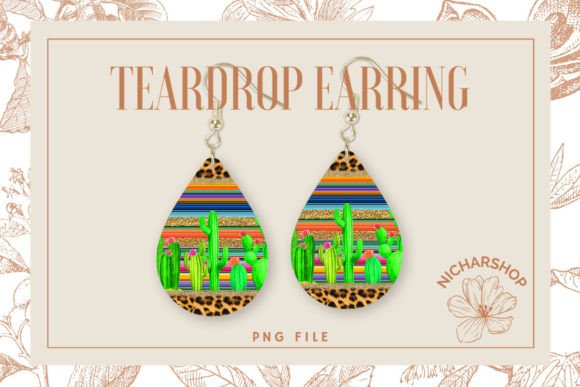
When you first load Serape Cactus Western Leopard Teardrop, the immediate takeaway is its bold, eclectic energy. The combination of western motifs, cactus imagery, and leopard print patterns suggests a very specific aesthetic—one that leans into bohemian, southwestern, or modern rustic vibes. It is not subtle. It is designed to be seen. For an embroiderer, this high-contrast personality is both a blessing and a challenge. It works exceptionally well for products where you want the item to make a statement immediately, such as a custom tote bag design or a statement sweatshirt embroidery piece.
The teardrop shape provides a contained canvas that naturally guides the eye. Unlike sprawling landscape designs that can get lost on curved surfaces, this format feels intentional. It suggests a patch-like quality, which makes it highly versatile for application on caps, hats, and baby embroidery projects. The mood is playful yet structured, making it suitable for everything from holiday embroidery gifts to boutique branding elements. It does not scream "corporate," nor does it whisper "minimalist." It sits comfortably in the vibrant, handmade product space that thrives on platforms like Etsy.
Real-World Application: Where Does It Shine?
I recently tested this concept by imagining it applied to a few key product categories. Here is how Serape Cactus Western Leopard Teardrop translates across different mediums:
- Custom Apparel and Sweatshirts: On a heavyweight cotton hoodie, this design would pop. The western theme pairs naturally with denim jackets or flannel shirts, creating a cohesive look that appeals to the craft business demographic. However, on thin fabrics, the density of the pattern might feel overwhelming.
- Baby Items and Nursery Decor: While the leopard print might seem fierce, in soft pastel thread colors, it becomes adorable for a nursery pillow cover or a onesie. The cactus element adds a touch of whimsy that parents love for personalized gift items. Just ensure the color palette is softened if targeting infants.
- Accessories and Patches: This is arguably its strongest use case. An embroidered patch featuring this design looks professional and durable. It fits perfectly on the back of a trucker hat or the front panel of a cap. The teardrop shape minimizes bulk compared to a square block, making it more comfortable against the neck or head.
- Kitchen and Home Textiles: Tea towels and aprons benefit from this kind of cheerful, thematic design. It adds character to a kitchen without being too distracting. For a commercial embroidery project aimed at home decor sellers, this is a strong contender.
Technical Considerations for the Stitch-Out
Seeing a PNG file and seeing it stitched are two entirely different experiences. Because Serape Cactus Western Leopard Teardrop relies on distinct color blocks (serape patterns and leopard spots), the success of the final product hinges heavily on your machine settings and material choices.
Stitch Density and Clarity: If the fill stitch density is too low, the intricate details of the leopard print may bleed together, resulting in a muddy appearance. Conversely, if it is too dense, the fabric may pucker, especially on lighter materials. You must check the stitch density carefully before committing to a large run. A good rule of thumb is to test the design on scrap fabric first to see how the satin stitch edges hold up against the fill areas.
Thread Color Contrast: The description notes that colors will vary depending on monitor settings. This is a critical warning. In embroidery, contrast is king. If you are using a dark fabric, you need light, vibrant threads to make the serape pattern visible. On light fabric, darker threads provide necessary definition. Always inspect small details by converting your mockup to black and white; if the shapes lose their identity in grayscale, they will likely struggle in color.
Fabric Texture and Stabilizer: The texture of your base fabric plays a huge role. On a smooth cotton twill, the design will render crisply. On a textured linen or a stretchy knit, the needle penetration might cause distortion. Using the proper stabilizer is non-negotiable here. For a design with mixed elements like this, a cut-away stabilizer is usually safer for long-term durability, especially if the finished product will undergo frequent washing.
Where to Use Caution
While Serape Cactus Western Leopard Teardrop is visually striking, it is not a one-size-fits-all solution. There are specific scenarios where this design might fail:
- Small Hoop Sizes: If you attempt to digitize or scale this down too far, the fine details of the cactus spines and leopard spots will disappear. Keep the hoop size generous enough to allow the design breathing room.
- Curved Surfaces: While the teardrop shape helps, applying this to a deeply curved surface like a baseball cap brim requires careful hooping techniques. The flat nature of the design might not follow the curve perfectly, leading to gaps or tension issues.
- Dense Stitch Areas: Avoid placing this design directly over existing seams or thick layers of garment construction. The added bulk could cause discomfort or machine errors.
Impact on Brand and Customer Trust
For the Etsy seller or small shop owner, the professionalism of your product presentation matters. A well-executed embroidery project signals quality. When a customer receives a tote bag or a sweatshirt with Serape Cactus Western Leopard Teardrop stitched cleanly, with no loose threads and accurate color representation, it builds trust. It shows attention to detail.
However, if the design is poorly executed—perhaps due to incorrect thread choice or poor stabilization—it can undermine the perceived value of the handmade product. Customers expect the digital preview to match the physical reality. Since this is a digital download and graphics asset, the responsibility lies with you, the creator, to ensure the translation from screen to fabric is flawless. This includes checking whether the design works for both personal and commercial projects and confirming licensing terms before selling finished items.
Final Verdict for Designers
Serape Cactus Western Leopard Teardrop is a strong addition to any design library, particularly for those focusing on western, boho, or eclectic themes. It offers a unique blend of patterns that stands out in a crowded marketplace. Its versatility allows it to bridge the gap between apparel, accessories, and home decor.
To get the best results, treat it with respect. Do not assume it will stitch itself out perfectly every time. Test it thoroughly. Compare light and dark fabric backgrounds. Use high-quality thread colors that match the intended vibrancy. And always remember that while the digital file is convenient, the magic happens in the stitching process. If you approach it with these practical considerations in mind, Serape Cactus Western Leopard Teardrop has the potential to become a best-selling item in your craft business.
Whether you are creating a personalized gift for a friend or producing inventory for your online store, this design brings a confident, artistic flair that resonates with modern buyers. Just ensure your technical execution matches the boldness of the design itself.