Cowboy Dad Embroidery Design Review
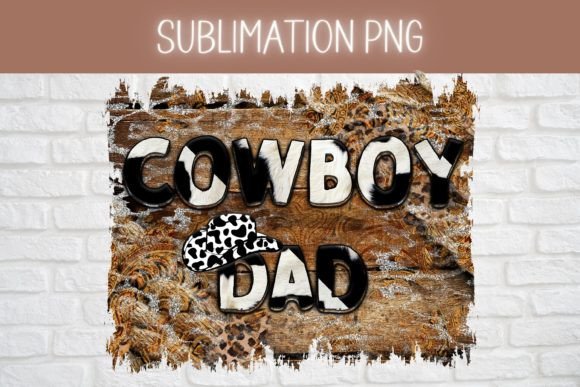
As someone who spends half their life staring at stitch charts and the other half troubleshooting tension issues on a vintage machine, I don’t just look for "cute" when evaluating a new design. I look for viability. Can this actually be stitched? Will it hold up after ten washes? Does it translate well to different fabrics? Today, I’m putting Cowboy Dad under that same microscope. This is a T-Shirt Designs category graphic, specifically marketed as a sublimation file, but let’s talk about how it functions as a conceptual blueprint for an embroidery project.
The market is saturated with generic dad jokes and floral arrangements. What we are looking for here is character. The first impression of Cowboy Dad is one of rugged warmth. It doesn’t scream; it whispers a sense of heritage and casual pride. Visually, the layout suggests a central focal point—likely a silhouette or iconographic representation—that balances negative space with enough detail to justify the thread work. For a designer, this is crucial. If the original graphic is too cluttered, the embroidery will turn into a muddy mess. If it’s too sparse, it won’t command attention on a finished product. Based on the aesthetic, Cowboy Dad sits in that sweet spot: bold enough to read from three feet away, detailed enough to reward a closer look.
Real-World Application: From Screen to Stitch
Let’s imagine a real scenario. You are preparing inventory for a craft fair or refreshing your Etsy shop for Father’s Day. You need something that feels personal but isn’t overly sentimental. Enter the custom embroidered tote bag. You take the Cowboy Dad concept and digitize it for a 5x7 hoop. The result is immediate brand cohesion. Because the source is a high-resolution Graphics asset (300 dpi), the lines are clean, giving the digitizer a clear roadmap for where to place the satins and where to use fill stitches.
This design shines in specific categories:
- Custom Apparel: On a heavyweight cotton tee or a flannel shirt, the cowboy theme resonates with the fabric’s texture. It feels authentic rather than forced.
- Baby Embroidery: There is a growing trend for "mini-me" gifts. A smaller, simplified version of Cowboy Dad on a onesie or burp cloth hits a nostalgic note for parents who grew up with western aesthetics.
- Home Decor: Consider a kitchen towel or a tea towel. The durability of woven cotton handles this design well. It adds a touch of farmhouse charm without overwhelming the utility of the item.
- Accessories: An embroidered patch style application on a denim jacket or a baseball cap leverages the structured nature of the cowboy motif. The sharp angles often associated with western wear translate beautifully into crisp satin stitch outlines.
For the Etsy seller or small business owner, the versatility here is key. You aren’t limited to just shirts. This design can anchor a line of products: matching aprons for cooking, pillow covers for the living room, and even gift tags. It creates a recognizable visual identity for your shop.
Technical Challenges and Fabric Considerations
No design is perfect, and Cowboy Dad has its own set of technical demands. As an experienced reviewer, I have to flag where this design might struggle if you aren’t careful.
First, consider the stitch density. Western themes often rely on thick outlines and solid fills to convey strength. If the digitization pushes the density too high, you risk puckering, especially on lighter fabrics. Always check the balance between the fill stitch areas and the background. If the design includes intricate details like spurs, hat brims, or textural elements on a vest, ensure those small parts are large enough to be stitched clearly. Tiny details often get lost in the thread pile.
Fabric choice is equally critical. This design works best on stable, medium-to-heavy weight fabrics. Avoid using it on thin, stretchy knits unless you are using a heavy-duty cut-away stabilizer. The tension required to lay down the threads for a bold cowboy motif can distort delicate materials. Similarly, textured fabrics like chunky wools or bouclé can hide the definition of the design. Stick to smooth cottons, linens, or blends for the clearest result.
Another area requiring caution is color contrast. Since this is originally a digital product meant for sublimation, the colors are likely vibrant. However, in embroidery, thread opacity varies. A light yellow thread on a white background will disappear. You must test your thread colors against your actual fabric swatches. Don’t assume the digital preview matches the physical outcome.
Why Visual Clarity Matters for Sales
In the world of handmade goods, presentation is everything. Customers trust designs that look professional. A poorly digitized Cowboy Dad with loose threads, misaligned elements, or visible backing showing through will undermine the perceived value of your product. Conversely, a clean execution builds confidence. It tells the buyer that you care about quality. When a customer sees a well-executed custom apparel piece, they are more likely to believe the rest of your shop is equally reliable. This design, with its strong central theme, offers a great opportunity to showcase your stitching skills.
Practical Designer Notes for Execution
If you decide to incorporate Cowboy Dad into your workflow, follow these practical steps to ensure success:
- Test on Scrap: Never run a new design directly onto your final product. Use scrap pieces of the exact fabric you plan to sell. This allows you to see how the fabric texture interacts with the thread.
- Check Hoop Size: Ensure the design fits comfortably within your standard hoops. If the design is wide, you may need to reposition elements or choose a larger frame to avoid cutting off details.
- Review Stabilizer Needs: Depending on the density, you might need tear-away, cut-away, or water-soluble stabilizers. For items like tote bags that undergo frequent washing, a cut-away stabilizer provides long-term stability.
- Black and White Mockup: Convert the design to grayscale to check for contrast issues. If the elements blend together in black and white, they will likely blend together in color.
- Licensing Verification: This is vital. The product description states this is a DIGITAL product and a sublimation design. Before selling finished embroidered items, confirm the commercial license terms. Some files are for personal use only. If you intend to sell the finished product, you need explicit permission to do so.
Final Verdict
Cowboy Dad is more than just a novelty print; it is a versatile foundation for a range of heartfelt projects. It captures a specific mood—rugged, loving, and traditional—that resonates deeply with its target audience. For the craft business owner, it offers a low-risk, high-reward addition to a seasonal collection. It works well as a personalized gift because the theme is universal enough to appeal to many, yet specific enough to feel curated.
However, remember that the graphic is just the start. The magic happens in the digitizing and stitching. Treat it with respect, test your settings, and choose your materials wisely. When done right, a Cowboy Dad embroidery project isn’t just another item on a shelf; it’s a conversation starter, a keepsake, and a testament to the skill of the maker. Whether you are decorating a sweatshirt for a client or creating a holiday embroidery gift for family, this design provides a solid, stylish canvas for your creativity.
Keep your needles sharp, your tensions balanced, and always proofread your digitization before hitting the start button. Happy stitching.