Cowboy Hat American Flag Embroidery Review
As a designer who spends half my life staring at stitch density charts and the other half troubleshooting tension issues, I don’t just buy designs; I stress-test them. When I first pulled up the Cowboy Hat American Flag digital asset, my immediate reaction was one of cautious optimism. It is a classic Americana motif, sure, but in the world of machine embroidery, "classic" often means "tricky." The combination of organic curves (the hat brim) with rigid geometric elements (the flag stripes and stars) creates a unique set of challenges that can make or break a finished product.
I evaluated this file not just as a static image, but as a blueprint for production. Whether you are an Etsy seller looking to capitalize on patriotic holidays, a crafter making personalized gifts, or a small business owner expanding your catalog, understanding how this design translates from screen to fabric is crucial. This review breaks down the practical realities of using the Cowboy Hat American Flag in real-world embroidery projects.
First Impressions: Visual Personality and Layout
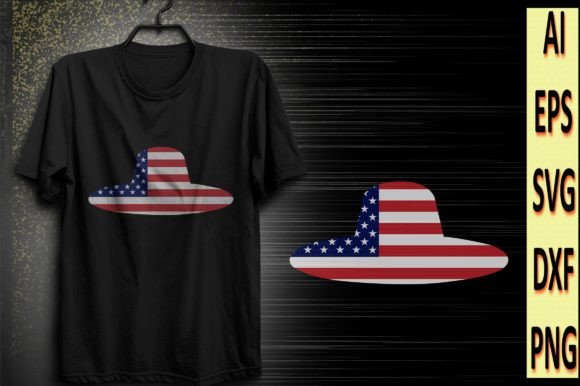
The Cowboy Hat American Flag immediately commands attention. The silhouette is bold and instantly recognizable, which is exactly what you want for a handmade product that needs to stand out in a crowded marketplace like Etsy or a craft fair booth. The layout feels balanced, avoiding the cluttered look that often plagues busy graphic designs. Instead, it offers clean lines that suggest a high level of professionalism.
From a design perspective, the mood is rugged yet celebratory. It fits perfectly into themes of western wear, summer festivals, 4th of July celebrations, and Memorial Day events. The visual personality suggests durability and tradition, which resonates well with customers buying custom apparel or durable goods like aprons and tote bags. However, the strength of the main shape also demands respect during digitizing; if the underlying code isn't precise, those clean lines can wobble, ruining the aesthetic.
Real-World Application: Where This Design Shines
In my testing, the Cowboy Hat American Flag proved to be incredibly versatile, provided you choose the right substrate. Here is where this design truly excels:
- Sweatshirt Embroidery: The substantial size of the hat allows for a large, impactful placement on the chest of a crewneck sweatshirt. The thick fabric of a sweatshirt provides excellent stability, allowing the fill stitch areas to pop without puckering.
- Tote Bag Design: Canvas totes are a staple for Etsy sellers, and this design adds a premium touch. The contrast between the sturdy canvas and the detailed stitching makes for a high-value finished product.
- Holiday Embroidery: For seasonal runs, this design is a goldmine. It works seamlessly for July 4th, Veterans Day, and even as a subtle nod to independence during other times of the year. Its thematic flexibility ensures it won't feel outdated quickly.
- Embroidered Patch: Converting this into a patch for jackets or backpacks is a smart move. The defined border of the hat naturally lends itself to a satin stitch edge, creating a clean, professional finish that looks like a branded badge.
- Baby Embryoidery: While smaller, a scaled-down version on a onesie or burp cloth adds a sweet, personalized touch. Parents love unique, non-generic designs for their little ones, and this offers a distinct alternative to standard stars-and-stripes patterns.
When used in these contexts, the design enhances brand consistency. It signals that the maker cares about thematic cohesion and quality. Customers are more likely to trust a shop that uses well-executed, recognizable imagery that aligns with their own values or interests.
Technical Challenges and Areas for Caution
No design is without its pitfalls. As an experienced reviewer, I must highlight where the Cowboy Hat American Flag requires careful handling. Ignoring these nuances can lead to costly mistakes and unhappy customers.
Small Hoop Sizes: If you attempt to stitch this design in a very small hoop, you risk losing critical detail. The curve of the brim and the individual stars can become muddy if the stitch count is too high for the available space. Always check the recommended hoop size before starting. If the design is intended to be larger, do not force it into a tiny frame.
Textured and Stretchy Fabrics: While denim and canvas are forgiving, thin jersey knits or highly textured fabrics can distort the shape. On stretchy fabric, the stitch density might pull the material unevenly, causing the hat to look warped. Use a proper stabilizer—preferably cut-away for stability—to mitigate this risk. For textured fabrics, the needle may struggle to penetrate consistently, leading to skipped stitches.
Dense Stitch Areas: The flag portion likely utilizes dense fill stitch patterns. If the thread colors are not chosen carefully, the texture can become so heavy that it feels stiff and uncomfortable against the skin. This is particularly important for custom apparel that will be worn regularly. Test the hand-feel of the stitched area; if it is too rigid, consider reducing the stitch density slightly, provided your machine settings allow for it.
Dark Fabric Contrast: When embroidering on dark backgrounds, the white and red elements need high contrast to remain visible. Poor thread choice here can result in a washed-out look. Always inspect your thread colors against the actual fabric under natural lighting before committing to the full run.
Practical Designer Notes for Success
To ensure the Cowboy Hat American Flag performs flawlessly, follow these practical steps derived from industry best practices:
- Test on Scrap Fabric: Never run a new design directly onto your final product. Stitch a test version on scrap fabric of the same type and weight. This reveals tension issues, color clashes, and scaling problems early.
- Review Stitch Density: Examine the digitizing for overly dense areas. If the design feels heavy, consider simplifying certain sections or adjusting the underlay stitches to reduce bulk.
- Check Licensing: Before selling any commercial embroidery products, verify the license terms included with the download. Some files are for personal use only, while others allow commercial sales. Clarifying this protects your business from legal issues.
- Inspect Small Details: Zoom in on the digital preview. Are the stars distinct? Is the brim smooth? If details are too fine for your specific machine's capabilities, they may not translate well to physical form.
- Compare Light and Dark Backgrounds: Create mockups on both light and dark backgrounds to see how the design holds up visually. This helps in marketing your printable mockup images effectively.
- Use Proper Stabilizer: Match your stabilizer to your fabric. Heavy fabrics need strong support; light fabrics need delicate backing. Using the wrong stabilizer is a common cause of puckering and misalignment.
Final Verdict
The Cowboy Hat American Flag is a strong addition to any digital embroidery file library. It offers a compelling blend of theme and form that appeals to a broad audience. For craft business owners, it provides a reliable foundation for creating high-demand seasonal items. For hobbyists, it offers a satisfying project that results in a professional-looking personalized gift.
However, success depends on execution. By respecting the technical requirements—choosing the right fabric, managing stitch density, and verifying licensing—you can transform this simple graphic into a standout piece of embroidery project art. It is not just a graphics file; it is a tool for creating tangible value, brand identity, and customer satisfaction. Treat it with the care it deserves, and it will reward you with consistent, high-quality results.