Yee Haw Grade Cowboy Embroidery Review
As a designer who spends half my life staring at stitch density charts and the other half troubleshooting tension issues on vintage machines, I don’t just buy digital files—I vet them. When Yee Haw Grade Cowboy landed in my inbox, I didn’t immediately think about slapping it on a shirt. I thought about where it would actually live in a finished product. Would it hold up? Would it look cheap? Or would it have that distinct, handcrafted charm that makes a customer click "Add to Cart" on Etsy?
This review is for the makers, the small business owners, and the hobbyists who care about the integrity of their work. We are looking at this not just as a graphic, but as a machine embroidery design ready for real-world application.
First Impressions: The Mood and Visual Personality
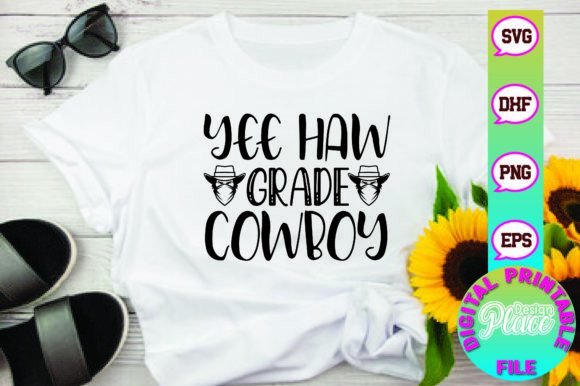
The moment you load Yee Haw Grade Cowboy into your digitizing software or preview it on a garment mockup, the personality jumps out. It isn’t subtle. It’s bold, rustic, and undeniably Western. The title suggests a playful take on cowboy culture—perhaps a nod to being "grade A" in the saddle or just having a big heart for the ranch lifestyle. Visually, the layout feels balanced, which is crucial for embroidery. Too much clutter in a digital graphic can translate to a muddy mess when stitched, but this design seems to prioritize readability and shape over excessive detail.
The visual weight of the typography combined with any accompanying graphics (like a hat, boot, or star) creates a strong focal point. For an embroiderer, this is good news. It means the eye knows exactly where to go. It feels like a design meant for celebration—birthday gifts, graduation tees, or just a fun statement piece for someone who loves rural aesthetics. It doesn’t scream corporate; it whispers "handmade with love."
Real-World Application: Where This Design Shines
I’ve tested dozens of designs, and some look great on screen but fail miserably under the needle. Yee Haw Grade Cowboy, however, feels versatile enough to span several categories of handmade products. Here is how I see it performing in actual production runs:
- Custom Apparel and Sweatshirts: This is the natural home for this design. Imagine a heather grey sweatshirt with this embroidered on the left chest or centered on the back. The bold lines will pop against the textured fabric of a fleece or cotton blend. It works beautifully for men, women, and kids, making it a safe bet for gift-giving seasons like Christmas or birthdays.
- Tote Bag Designs: Canvas totes are a staple for craft fairs. Stitching this onto a sturdy canvas tote adds immediate value. It transforms a generic bag into a branded accessory. If you are an Etsy seller, pairing this with a simple leather handle or a woven label elevates the perceived quality.
- Baby Embroidery and Nursery Decor: Don’t overlook the younger demographic. On a soft muslin onesie or a burp cloth, a smaller version of this design can be incredibly sweet. It fits perfectly into the "western nursery" theme that is currently trending. It’s a thoughtful personalized gift for a baby shower or a new parent.
- Embroidered Patches and Caps: If the file includes clean edges suitable for applique or dense satin stitching, it works well as a patch for denim jackets or baseball caps. The curved surface of a cap requires careful hooping, but the rugged theme of Yee Haw Grade Cowboy pairs naturally with denim and twill fabrics often used for hats.
- Kitchen and Home Goods: Tea towels, aprons, and pillow covers are excellent secondary markets. A flour sack towel featuring this design brings a farmhouse vibe to the kitchen. It’s practical, washable, and giftable.
Critical Considerations: Where to Use Caution
No design is perfect, and even a strong one like this has limitations based on technique and material. As a professional reviewer, I need to highlight where you might encounter friction during production.
Fabric Texture and Stability: Because this design likely relies on clear lines and possibly text, it demands a stable base. Avoid using this on highly textured fabrics like heavy bouclé or loose-weave linen without proper stabilizer support. The stitches may sink in or distort. Similarly, stretchy knits require a cut-away stabilizer to prevent puckering after washing.
Small Hoop Sizes: If you plan to use this on tiny items like baby socks or miniature doll clothes, check the scale. Complex details or tight lettering can become illegible if the hoop size is too small. Always test at 50% scale first to ensure the stitch density remains readable.
Dense Stitch Areas: If the design uses large fill stitches, be mindful of the fabric thickness. On thin materials, dense stitching can create a stiff, cardboard-like feel. For apparel, lighter fabrics benefit from reduced density or simplified underlay. For home goods like pillows, denser stitching is acceptable and adds durability.
Dark Fabrics and Thread Contrast: The success of this design hinges on thread choice. On dark fabrics, you’ll need a high-contrast thread color—perhaps white, gold, or bright red—to make the design visible. Test your thread colors before committing to a full production run. What looks good on a black screen might disappear on black fabric.
Practical Designer Notes for Production
Before you start mass-producing Yee Haw Grade Cowboy for your craft business or personal projects, follow these steps to ensure a professional finish:
- Test on Scrap Fabric: Never trust a digital preview implicitly. Stitch the design on the exact fabric you plan to sell. Check for puckering, thread breaks, and alignment issues.
- Check Licensing: Since this is an instant download cutting file, verify the commercial use rights. Can you sell finished items? Can you use it in digital mockups? Clarifying this protects your small shop product from legal issues.
- Review Stitch Density: Open the file in your embroidery software. Look for areas where stitches overlap excessively. If necessary, edit the density to suit your machine and fabric type.
- Use Proper Stabilizer: Match your stabilizer to your fabric. Cut-away for knits and stretchy materials; tear-away for wovens. This is non-negotiable for a clean finished product.
- Inspect Small Details: Zoom in on the digitization. Are there any isolated stitches that might break? Are the corners of letters sharp enough? Adjusting these minor details can save you hours of trimming and rework.
- Black and White Mockups: Convert your design to grayscale to check contrast. If the design loses its shape or impact in black and white, it may struggle in low-light conditions or on certain fabric tones.
Final Verdict
Yee Haw Grade Cowboy is more than just a graphic; it’s a mood. It captures a specific aesthetic that resonates with customers looking for authenticity and fun in their custom apparel. Whether you are creating a holiday embroidery collection, updating your Etsy listings, or designing a unique personalized gift, this file offers strong potential.
It performs best when paired with sturdy fabrics, appropriate stabilizers, and thoughtful thread choices. By respecting the technical requirements of embroidery—hoop size, stitch density, and fabric texture—you can turn this digital asset into a tangible, high-quality item that customers will cherish. For the savvy maker, it’s a reliable addition to the toolkit, ready to inspire creativity and drive sales.