Western Boho Tribal Background Review
As a designer who spends half my life staring at stitch charts and the other half trying to sell handmade goods, I have developed a very specific set of standards for any graphic that enters my workflow. We are not just looking for something "pretty." We are looking for viability. Does it hold up under tension? Does it translate from a flat screen to a three-dimensional garment without losing its soul? Today, I am putting Western Boho Tribal Background through the wringer. This is not a theoretical critique; this is a practical evaluation based on real-world application for craft businesses, Etsy sellers, and serious hobbyists.
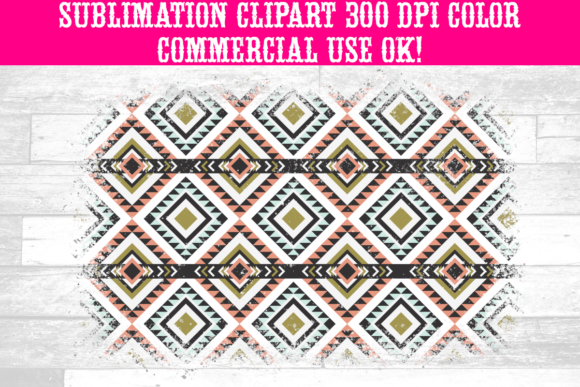
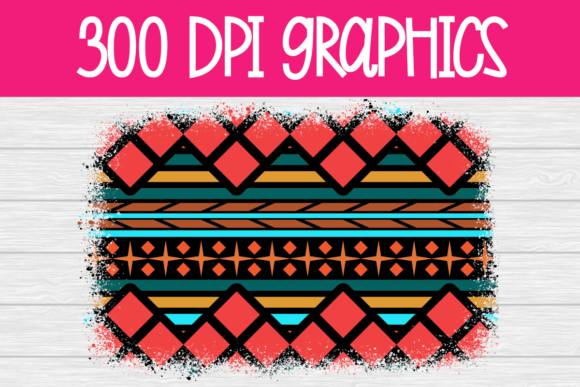
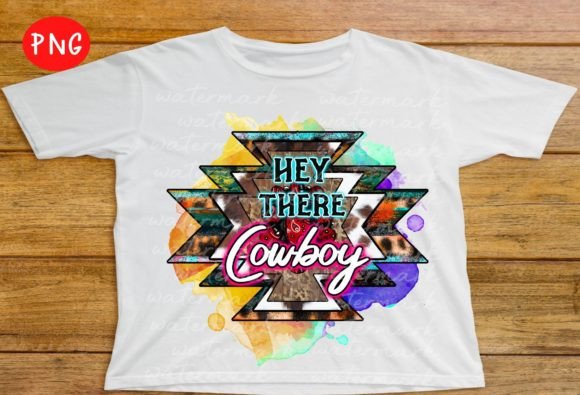
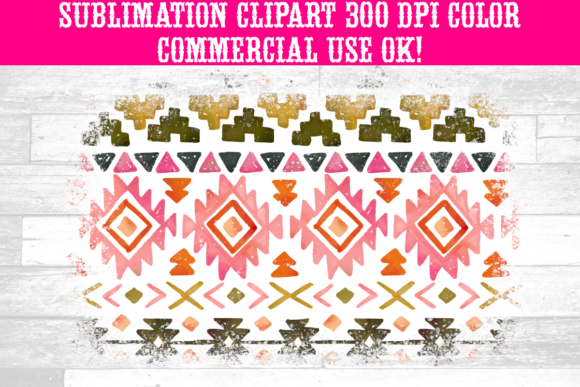
The product description makes one critical distinction immediately: this is NOT an SVG file. Not a CUT file. This is a PNG Image, suitable for printing and use for sublimation. For those of us in the machine embroidery world, this changes the entire game plan. You cannot load this directly into your embroidery software as a vector path. Instead, you are dealing with a high-resolution graphic clipart image – 300 dpi color. This means your workflow involves digitizing this raster image or using it as a backdrop for sublimation, rather than relying on native machine code paths. Understanding this distinction is the first step in determining if this asset fits your business model.
First Impressions and Visual Mood
When I first pulled up the Western Boho Tribal Background, the mood was immediate. It carries that distinct, earthy energy that has dominated bohemian aesthetics for years but remains highly marketable. The tribal elements feel grounded, while the "boho" aspect softens the edges, making it approachable rather than aggressive. Visually, it creates a sense of warmth and authenticity. For a brand like mine, which focuses on rustic elegance and handmade quality, this design aligns perfectly.
The layout feels balanced. It does not scream for attention; instead, it invites the eye to wander. In the context of an embroidery project, this is crucial. A design that is too chaotic can look messy when stitched, especially if the stitch density is not managed correctly. Here, the negative space seems intentional, allowing for potential text placement or focal points where you might add a name or a date. It feels less like a standalone logo and more like a sophisticated texture or background layer that supports a larger narrative.
Real-World Application: The Tote Bag Scenario
To truly test this design, I imagined a specific scenario: creating a custom embroidered tote bag for a local artisan market. The goal was a handmade product that would appeal to young professionals and creatives. Because this is a PNG and not a direct machine embroidery design file, I had two primary options. I could digitize the graphic myself, converting the shapes into satin stitch and fill stitch combinations, or I could use it as a reference for a large-scale sublimated panel that would then be sewn onto a canvas bag.
If I were to digitize it, the tribal lines would likely translate well into running stitch for finer details, provided the line weight is sufficient. However, because it is a raster image, I would need to trace it carefully to ensure clean curves. If used as a sublimation print, the 300 dpi resolution ensures sharpness, but the fabric choice becomes paramount. On a rough burlap-style canvas, the fine details might get lost. On a smooth cotton duck canvas, it would pop. This versatility makes it a strong candidate for a tote bag design that needs to look professional yet accessible.
Performance Across Different Products
Beyond totes, where else does Western Boho Tribal Background shine? The aesthetic is incredibly adaptable. For sweatshirt embroidery, this design could serve as a large back print or a textured chest area. The tribal motifs work well on heavier fabrics like fleece or French terry, where the fabric texture complements the rugged nature of the pattern. It adds value to a basic blank, transforming it into a custom apparel item that feels curated.
In the nursery sector, this design offers a unique twist. While many baby items lean toward pastels and simple animals, a muted tribal background can provide a modern, gender-neutral option for a crib sheet or a wall hanging. It works beautifully as a baby embroidery accent, perhaps framing a child’s name stitched in a contrasting thread color. Similarly, for kitchen towel designs, the earthy tones fit seamlessly into a farmhouse-style kitchen, adding a touch of sophistication to everyday linens.
For holiday embroidery, particularly autumn-themed gifts, this design resonates strongly. Think pumpkin patches, harvest festivals, or Thanksgiving table settings. The warm undertones of the tribal pattern complement fall colors like burnt orange, mustard yellow, and deep brown. It can elevate a simple pillow cover into a statement piece for a boutique home decor collection.
Where Caution Is Required
No design is perfect, and Western Boho Tribal Background has its limitations. Because it is a graphic and not a pre-digitized file, the risk of over-complication is high. Using this on small hoop sizes requires careful simplification. Tiny tribal dots or intricate cross-hatching may disappear entirely if the hoop size is too small or if the stitch density is too high. When digitizing, you must decide which details are essential and which can be dropped to maintain clarity.
Fabric texture is another major factor. On highly textured fabrics like boucle or heavy wool, the design will blend in too much. On stretchy fabrics like jersey knits, the design needs proper stabilization to prevent puckering. If you are planning to use this on curved surfaces like caps or hats, you will need to adjust the perspective during digitization, as the original PNG is flat. Additionally, dark fabrics require high-contrast thread choices. If the design relies on subtle tonal variations, it may not read well on black or navy unless you use metallic or bright contrast threads.
Practical Designer Notes
Before integrating this into your commercial inventory, follow these steps to ensure success:
- Test on Scrap Fabric: Always run a sample stitch-out or print test. Observe how the colors interact with the fiber content.
- Check Thread Color Contrast: Ensure that the chosen threads stand out against the base fabric. Low contrast can make the design look muddy.
- Review Stitch Density: If digitizing, avoid overly dense fills that can stiffen the fabric and make the finished product uncomfortable.
- Confirm Hoop Size: Determine the maximum size you can comfortably embroider and scale the PNG accordingly before tracing.
- Inspect Small Details: Zoom in on the digital file. Are there thin lines that might break during stitching? Simplify if necessary.
- Use Proper Stabilizer: Heavy-duty tear-away or cut-away stabilizers are often needed for this type of graphic to prevent distortion.
- Check Licensing: Since this is a digital embroidery file asset, verify the license terms. Can you sell finished items? Can you resell the digital asset itself?
Ultimately, Western Boho Tribal Background is a versatile tool in the arsenal of any creative entrepreneur. It is not a magic bullet that solves all design problems, but it provides a strong visual foundation. By treating it with the respect due to a high-quality graphic—careful digitization, appropriate fabric selection, and strategic placement—you can create small shop products that feel authentic, professional, and highly desirable. Whether you are an Etsy seller looking to refresh your listings or a craft business owner aiming for boutique branding, this design offers a solid starting point for meaningful, wearable art.