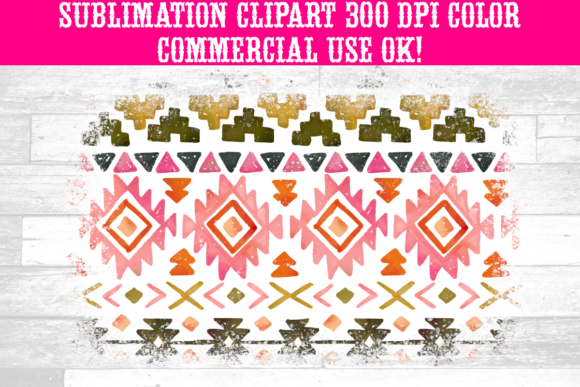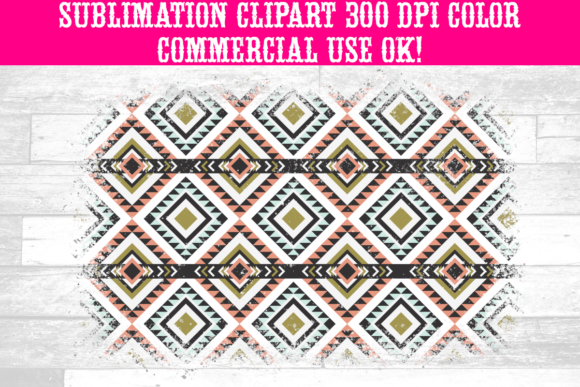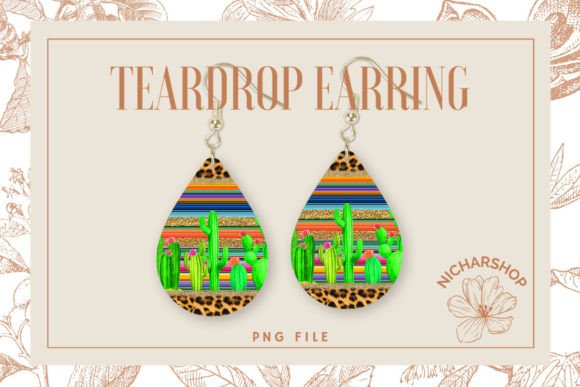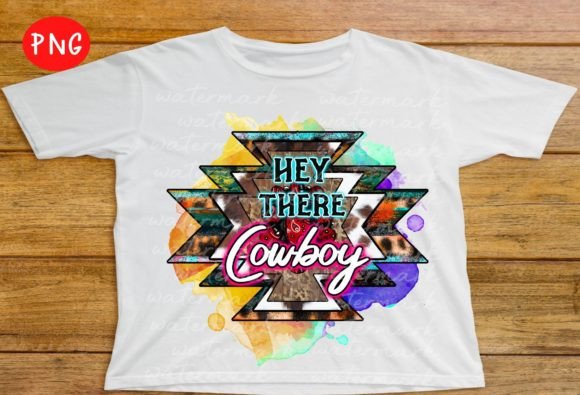
Leopard Serape Western Background PNG
When I sit down to evaluate a new digital asset for my embroidery studio, I am rarely looking for just "pretty." I am looking for viability. Can this design hold up on a sweatshirt? Will it read clearly on a small tote bag? Does it feel premium enough to justify the price point of a handmade product? Recently, I pulled Leopard Serape Western Background PNG from the market to test its potential in real-world commercial projects. As an experienced designer who frequently bridges the gap between digital graphics and physical stitching, I wanted to share a practical breakdown of how this pattern performs when translated from screen to fabric.
First Impressions: The Mood and Visual Personality
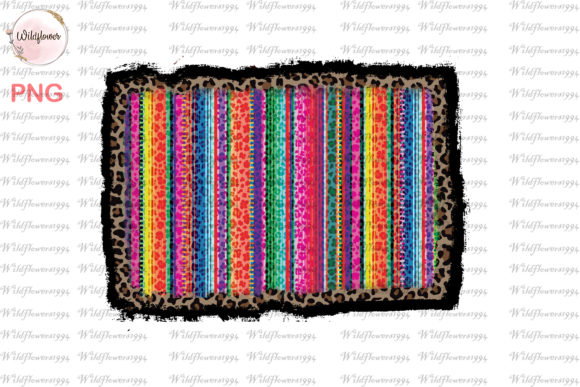
The moment you load Leopard Serape Western Background PNG, the aesthetic is unmistakable. It merges two distinct visual languages: the wild, organic chaos of leopard print and the vibrant, structured geometry of a traditional serape. This combination creates a mood that is bold, festive, and undeniably Western. It feels less like a subtle background texture and more like a statement piece. For designers specializing in custom apparel or boutique branding, this kind of high-energy visual personality is often exactly what is needed to grab attention in a crowded marketplace like Etsy or at a craft fair.
From a layout perspective, the design offers a dynamic flow. It does not feel static. When I imagine this applied to a garment, it suggests movement. It works beautifully as a backdrop for other elements, such as a central logo or text, but it also has enough visual weight to stand alone as a primary graphic. The transparent background feature mentioned in the product description is crucial here, allowing for seamless integration into various compositions without unwanted white boxes interfering with the stitch work.
Real-World Application: Where This Design Shines
To truly understand the value of a machine embroidery design or a high-resolution digital embroidery file, you have to visualize it on finished products. Here is where I see Leopard Serape Western Background PNG performing exceptionally well in my own workflow.
- Custom Apparel and Sweatshirts: This pattern screams casual cool. I envision this used as an all-over print effect on a heavyweight cotton sweatshirt or as a large back-print on a denim jacket. The contrast between the rough texture of denim and the smooth digital nature of the serape creates a compelling tactile juxtaposition.
- Tote Bag Designs: For the Etsy seller or small shop product creator, this is a goldmine. A canvas tote featuring this background immediately signals a trendy, bohemian vibe. It appeals to shoppers looking for unique gifts that feel curated rather than mass-produced.
- Holiday Embroidery and Gifts: The vibrant colors inherent in a serape pattern make this perfect for seasonal gifting. Whether it is for a birthday, a wedding shower, or a holiday present, the design feels celebratory. It adds a layer of excitement to standard items like aprons or kitchen towels, elevating them from utilitarian objects to decorative accents.
- Embroidered Patches: If scaled correctly, this could serve as a striking border or background for a custom patch. The bold lines help define edges, which is essential when stabilizing and trimming patches for application on caps or hats.
In these scenarios, the design enhances the perceived value of the handmade product. Customers are not just buying a tote bag; they are buying a specific aesthetic identity. This design provides that identity instantly.
Technical Considerations and Stitching Challenges
However, enthusiasm must be tempered with technical reality. Not every graphics file translates equally well to thread. As we move from a pixel-based image to a stitched embroidery project, several factors come into play regarding clarity and durability.
Fabric Texture and Stability
The success of this design heavily depends on the base material. Because the pattern is busy, it can easily become muddy if stitched on a highly textured fabric like raw linen or thick wool unless the stitch density is adjusted accordingly. I recommend testing this on stable, medium-weight fabrics such as cotton twill, denim, or smooth canvas. These surfaces provide the necessary foundation for clean stitches.
Furthermore, always use a proper stabilizer. Given the likely density of a fill-heavy background, a cut-away stabilizer is preferable for garments that will undergo frequent washing, ensuring the integrity of the stitch density remains intact over time.
Small Details and Hoop Size
One area requiring careful judgment is the scale. If you attempt to digitize or stitch this pattern in a very small hoop size, fine details may disappear or merge into a blur. The distinction between the leopard spots and the serape stripes needs room to breathe. I advise checking the minimum recommended hoop size before committing to a small item like a baby onesie or a tiny accessory pouch. For baby embroidery, while the theme might be cute, the visual noise might be overwhelming for some parents, so consider simplifying the application or using it as a secondary accent rather than the main focus.
Thread Color Contrast
Since this is a transparent background PNG, you have the freedom to choose your thread colors carefully. However, remember that thread reflects light differently than ink. A color that looks vibrant on a monitor might appear slightly duller in thread. Test your thread colors against the actual fabric you plan to use. On dark fabrics, ensure there is enough contrast so the lighter parts of the serape pattern do not get lost. Conversely, on light fabrics, verify that the darker leopard spots remain distinct.
Practical Designer Notes for Commercial Use
For those of you running a craft business or selling design assets, there are critical steps to take before listing any finished goods.
- Test on Scrap Fabric First: Never assume a digital preview equals a perfect stitch-out. Run the design on scrap pieces of your intended fabric to check for puckering, thread breaks, or detail loss.
- Review Licensing: While the product description mentions a digital download, you must confirm the specific license terms. Are you allowed to sell the physical finished products? Is there a limit on the number of units? Clear licensing protects your commercial embroidery business from legal issues.
- Create Printable Mockups: Before investing time in stitching, create printable mockups to show customers how the finished product will look. This helps manage expectations and reduces return rates due to misunderstandings about color or scale.
- Inspect Small Details: Zoom in on the digital file. Are the edges sharp? Will they translate well into satin or fill stitches? If the original graphic is too rasterized, it may require vectorization before digitizing to ensure crisp results.
Final Verdict
Leopard Serape Western Background PNG is a versatile and visually striking asset that brings energy and character to a wide range of projects. It is particularly well-suited for custom apparel, tote bag designs, and festive personalized gifts where bold aesthetics are desired. While it requires thoughtful consideration regarding fabric choice, hoop size, and stitch density to execute flawlessly, the payoff in terms of customer engagement and brand recognition is significant.
For the discerning designer willing to put in the prep work, this design offers a strong foundation for creating standout handmade products. It bridges the gap between trendy digital art and tangible craftsmanship, making it a valuable addition to any patterns library aimed at modern makers and sellers.